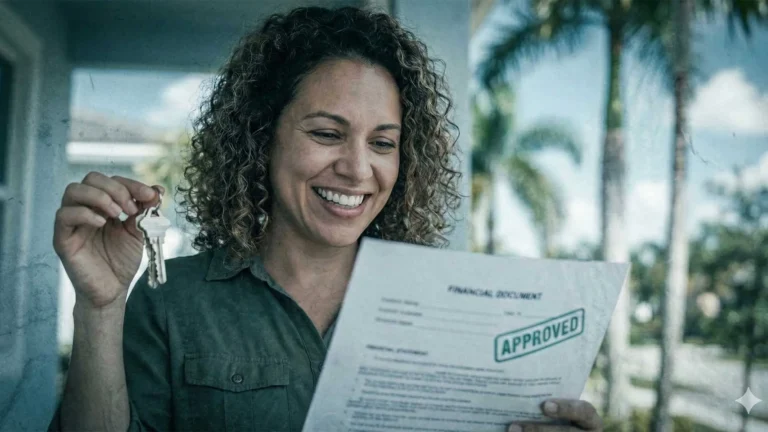
It’s a startling statistic that should concern every resident in Broward County, from homeowners in Weston to renters in Fort Lauderdale: According to a major FTC study, 79% of credit reports contain errors.
But what does that actually mean for you?
What “79% of Reports Contain Errors” Actually Means
It doesn’t mean every report is completely fictitious. It means that nearly 8 out of 10 reports held by Experian, Equifax, and TransUnion contain at least one inaccurate item that could be dragging down your score.
Common Credit Reporting Errors We See in South Florida
Common errors we see impacting clients across South Florida include:
-
Accounts that don’t belong to you (mixed files or identity theft).
-
Incorrect late payments on accounts that were paid on time.
-
Duplicated collections appearing as multiple negative items.
-
Outdated balances that haven’t been updated after payment.
-
Accounts marked “open” that were closed years ago.
-
Incorrect personal information (wrong addresses, misspelled names).
These errors often do not appear consistently across all three bureaus, creating even more confusion and damage.
How Credit Report Errors Directly Affect Your Life in South Florida
In a high-cost area like South Florida, your credit score is your financial passport. Inaccurate data acts like a roadblock.
1. Lower Credit Scores & Denials
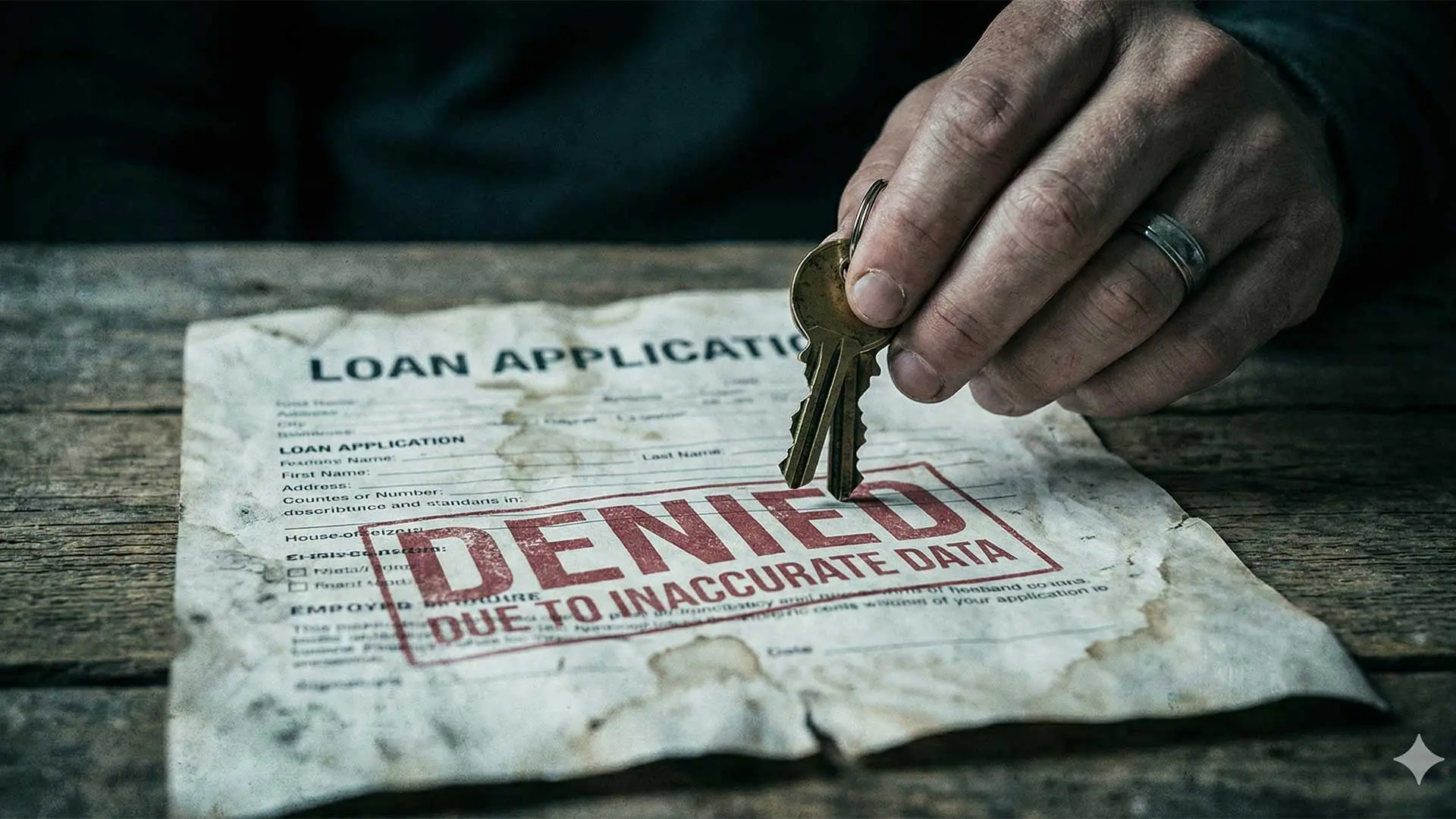
Payment history and utilization make up the bulk of your score. A single erroneous late payment or an inflated balance on a student loan can cause significant point drops, leading to automatic denials from lenders and landlords in competitive markets like Hollywood or Pembroke Pines.
2. Higher Interest Rates Costing You Thousands
Even a small score difference caused by an error can push you into a subprime lending tier. This means paying thousands more in interest over the life of a mortgage in Coral Springs or a high-interest auto loan for your daily commute.
3. Delayed Financial Goals
Buying a home, starting a business, or refinancing debt can be pushed back months—or years—because of information that shouldn’t be there in the first place.
Why “Quick Fix” Disputes Often Fail
Credit reporting is a high-volume, automated industry. Data furnishers report millions of account updates monthly, and mistakes are rarely corrected proactively.
The Problem with Generic Online Templates
Many consumers try disputing errors on their own using online templates. While a good first step, generic disputes often lead to:
-
Automated “Verified as accurate” responses from the bureaus.
-
Temporary removals that reappear months later (reinsertion).
-
Incomplete corrections that don’t fully resolve the score impact.
That’s because how a credit dispute is structured, documented, and cited under federal law matters just as much as what is being disputed.
The CORE8 Difference: Structure Over Shortcuts
At The Core8 Group, we don’t chase fast, temporary deletions. We focus on structured, compliant, and verifiable correction for our Broward County clients.
Our 3-Step Methodology: Fix, Restore, Rebuild
Our proven methodology is simple but profound:
-
FIX: We identify inaccurate, unverifiable, or improperly reported data using advanced analysis.
-
RESTORE: We utilize compliant, aggressive strategies to correct reporting errors at the source.
-
REBUILD: We help you strategically strengthen your profile for long-term stability and lending power.
Credit restoration isn’t about shortcuts—it’s about accuracy, structure, and sustainability.
What You Should Do Right Now
If you haven’t reviewed your credit reports professionally in the last 30 days, you may be making major financial decisions based on incorrect data.
Credit doesn’t fail people—bad reporting does. And when nearly 8 out of 10 reports contain errors, reviewing and correcting yours isn’t optional—it’s essential to your financial future in South Florida.
Start Today
Don't Let Bad Data Define Your Future
Are errors on your credit report costing you money and opportunity in Broward County? Stop guessing and start fixing. Partner with The Core8 Group for a professional, thorough review of your credit profile.